

Table Of Contents
Many water treatment distributors discover that stocking standard RO replacement filter kits can lead to unexpected customer complaints and high product return rates. When pressure spikes occur in municipal lines, minor physical mismatches in filter housings trigger bypass leaks and membrane fouling. As a B2B sourcing consultant at MuphoenixEco, I help dealers transition from simple part-number swapping to high-precision engineering matching.
To match RO replacement filter kits successfully, B2B dealers must analyze physical tolerances down to the millimeter, select chemical media tailored to regional water profiles (high sediment in SEA vs. high chlorine in the Middle East), demand moisture-barrier packaging, and strategically balance quick-connect convenience against customer-retaining proprietary fitting designs.
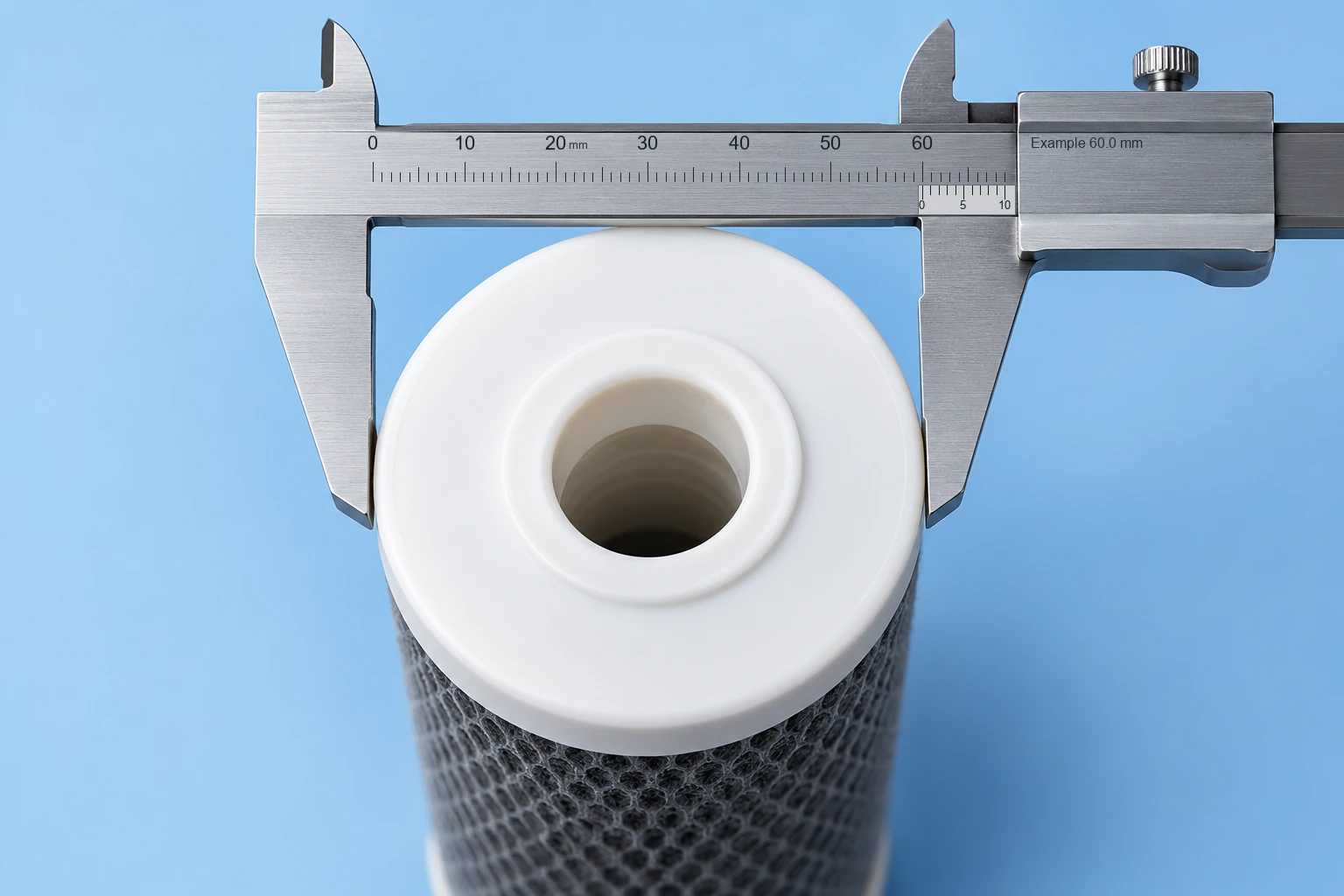
In my years auditing supplier facilities and evaluating customer support logs, I have learned that "universal" compatibility is often a costly illusion. Let us dive deep into the specific structural, chemical, and logistical factors that determine whether a replacement kit will succeed or fail in the field.
What is the Truth Behind the Universal 10-Inch Standard for RO Replacement Filter Kits?
Dealers who buy standard double-open-end filters assuming they fit every housing often face catastrophic field failures. Minor dimensional differences across manufacturing lines cause silent water bypass or physical seal rupture. This simple mismatch destroys the RO membrane and ruins your reputation.
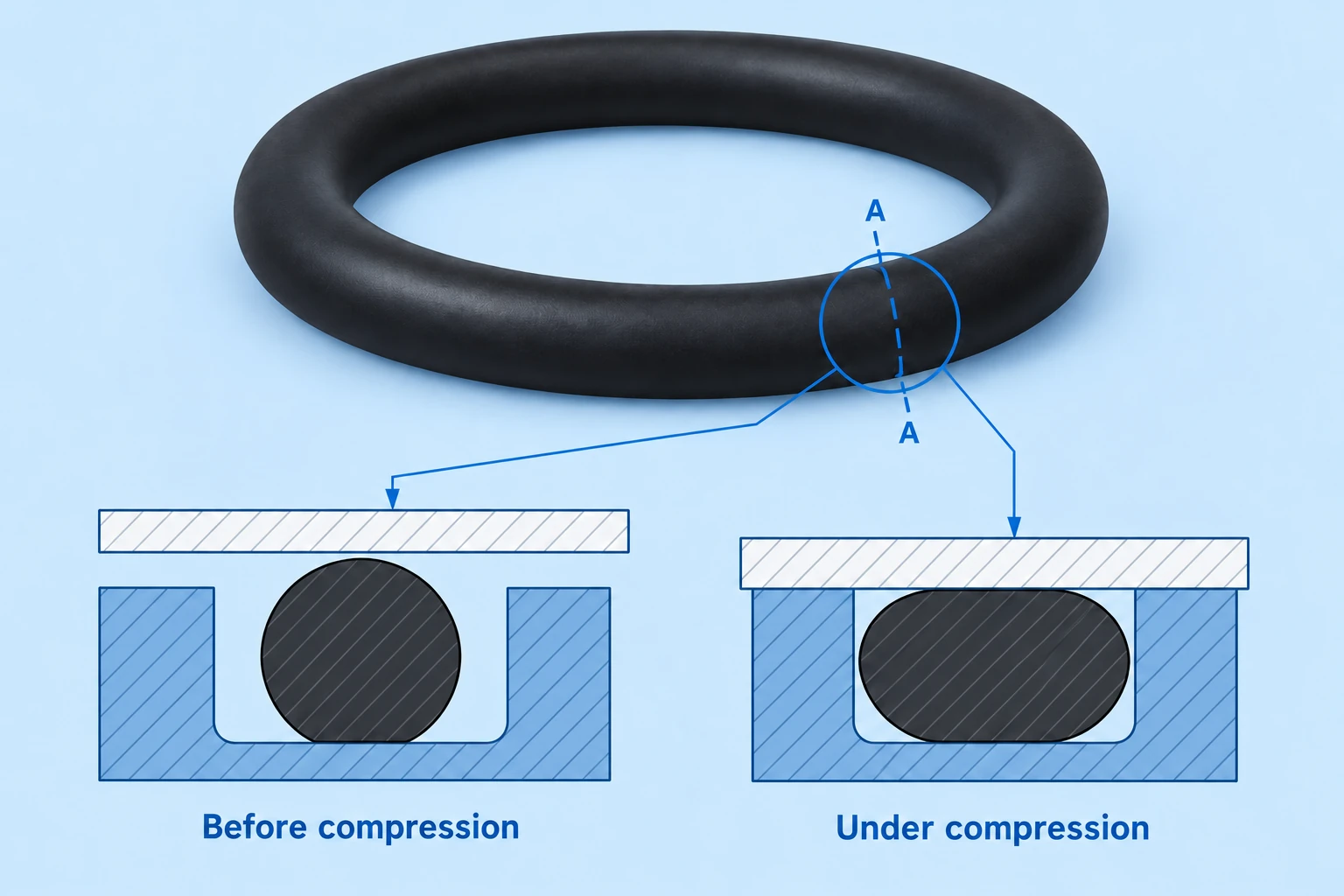
The "Universal 10-Inch" standard is a misnomer because a 1–2mm variation in cartridge length, end-cap depth, or O-ring thickness prevents proper O-ring compression. This tolerance stack-up allows unfiltered water to bypass the pre-filters, accelerating RO membrane fouling and causing premature system breakdown[1].
The Mechanics of Tolerance Stack-Up
In the B2B water purification sector, we frequently reference the "10-inch standard." However, when you measure different manufacturing batches with a digital caliper, you quickly find that one factory's 10-inch cartridge is 250mm long, while another's is 254mm.
When a cartridge is slightly too short, the housing cap cannot apply enough axial force to compress the rubber gaskets. This creates a path of least resistance. Instead of passing through the filtration media, raw water flows directly over the top gasket and enters the core tube. This is known as water bypass.
Conversely, if the cartridge is even 1.5mm too long, the service technician will overtighten the housing bowl to force a seal. This places extreme physical stress on the housing threads and the cartridge's plastic end caps. Under high water-pressure spikes—common in municipal networks—this stress leads to hairline cracks and eventual flooding.
| Dimension Metric | Standard Taiwanese Housing Spec | Standard Chinese Housing Spec | Common Tolerance Deviation |
|---|---|---|---|
| Total Cartridge Length | 251 mm (±0.5mm) | 254 mm (±1.0mm) | Up to 3.0 mm |
| Gasket Outer Diameter | 44 mm | 45 mm | Up to 1.5 mm |
| Inner Core Diameter | 28 mm | 30 mm | Up to 2.0 mm |
| O-Ring Compression Set | 20% - 25% | 15% - 20% | Highly variable |
Managing O-Ring Compression and Seals
Last year, I analyzed a batch of returned cartridges from a distributor in Jakarta. Their customers complained that the RO membranes were failing within three months instead of the typical twelve.
When our quality control team at MuphoenixEco inspected the returned sediment filters, we discovered the O-ring compression set was below 10%. The gaskets were made of a cheap PVC compound that hardened in cold water, rather than high-grade EPDM[2] (Ethylene Propylene Diene Monomer).
Without adequate elasticity, the seals failed to hold back raw feed water under standard operational pressures. To prevent this, dealers must specify EPDM or silicone gaskets with a durometer rating of 50 to 60 Shore A[3]. This ensures the gasket can deform sufficiently to seal minor physical imperfections in the housing.
How Do Regional Water Chemistry Demands Dictate Filter Media Selection?
Distributors often struggle with rapid filter clogging or membrane degradation despite using high-grade materials. The issue lies in deploying the exact same kit configuration across regions with completely different source water profiles. Without chemical customization, your product lifecycle will plummet.
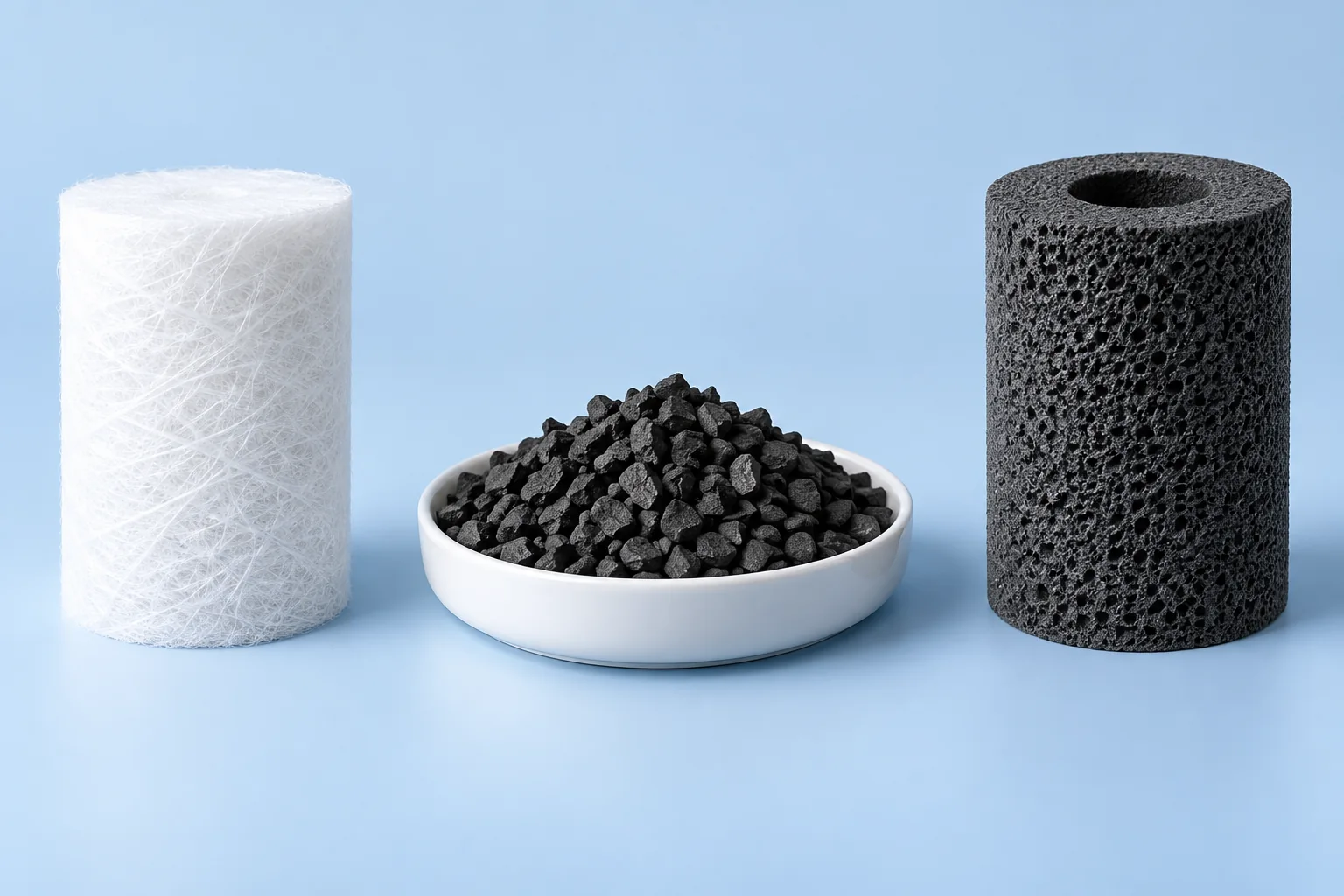
Dealers must customize filter media based on regional water chemistry: high-sediment areas like Southeast Asia[4] require multi-layered, gradient-density PP sediment filters, while high-TDS, highly chlorinated municipal water in the Middle East[5] demands premium GAC and high-iodine-value CTO blocks to shield sensitive polyamide RO membranes.
Southeast Asia (High Turbidity & Silt)
In countries like Vietnam, Indonesia, and the Philippines, municipal water often carries high levels of silt, sand, and colloidal silica. If you supply a standard 5-micron sediment filter in your replacement kit, it will surface-clog within weeks. This starves the booster pump of water, causing system cycling and pump burnout.
For these markets, I always advise dealers to source PP (polypropylene) melt-blown cartridges with a true graded-pore structure. This means the outer zone of the filter has a 10-micron rating to catch large particulates, the middle zone is 5-micron, and the inner core is 1-micron.
This deep-bed filtration technology distributes the dirt load throughout the entire cross-section of the cartridge. It extends the filter’s service life by up to 150% compared to single-density alternatives.
- Incoming Water
- 10-Micron Outer Zone
- 5-Micron Middle Zone
- 1-Micron Core
- Clean Water
Middle East (High Chlorine & TDS)
In contrast, the Middle East relies heavily on desalinated municipal water. While sediment levels are low, the water contains high levels of free chlorine used to control biological growth in municipal piping networks.
Free chlorine is highly destructive to thin-film composite (TFC) polyamide RO membranes. It oxidizes the polymer chains, increasing salt passage[6] and rendering the membrane useless.
To protect these sensitive membranes, the replacement kits must prioritize high-performance Granular Activated Carbon (GAC) and Carbon Block (CTO) filters.
- Iodine Value: Do not settle for carbon with an iodine value below 800 mg/g. For high-chlorine environments, we recommend specifying coconut shell carbon with an iodine value of 1,000 to 1,100 mg/g[7].
- Catalytic Carbon: If the source water contains chloramines (which are increasingly used in modern municipal treatment), standard activated carbon is ineffective. Dealers must shift to catalytic carbon[8], which has a modified surface structure designed to break down chloramine bonds quickly.
Why Does Packaging and Shelf-Life Matter for RO Replacement Filter Kits?
Importers frequently face a puzzling issue: brand-new carbon blocks underperforming right out of the box. These filters lose their adsorption capacity during transit and warehousing due to high ambient humidity. If your packaging fails, your entire inventory investment is compromised.
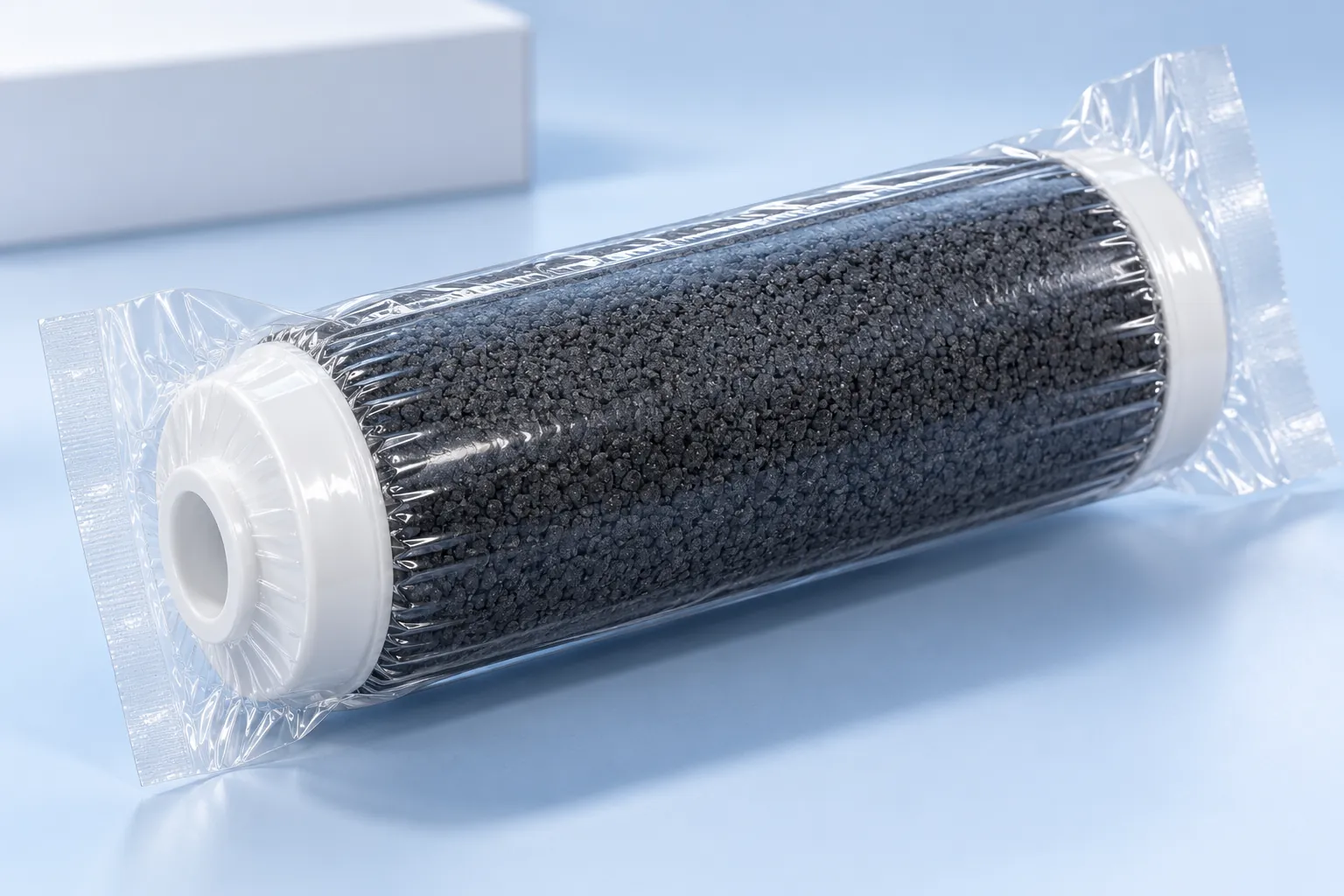
Moisture and air exposure degrade the iodine value of activated carbon blocks during storage[9]. High-quality RO replacement filter kits must utilize double-layer, air-tight shrink wrapping or aluminum-barrier vacuum seals to block atmospheric moisture, preserving adsorption capacity for up to two years in humid climates.
The Chemistry of Carbon Degradation
Activated carbon is an incredibly porous material designed to adsorb gaseous organic compounds and moisture from its environment. When a replacement kit sits in a humid warehouse in Manila or Dubai for six months, the carbon filters do not remain idle.
If they are wrapped in cheap, single-layer polyolefin film, moisture and ambient volatile organic compounds (VOCs) will slowly penetrate the packaging.
By the time the end-user installs the filter, a significant percentage of the active pore sites are already occupied by atmospheric contaminants. This causes a massive drop in the carbon's functional life, resulting in bad-tasting product water and premature chlorine breakthroughs.
Specifying Packaging Standards
When matching and sourcing RO replacement filter kits, dealers must look closely at the packaging specifications.
Our quality control protocols at MuphoenixEco demand that all carbon-based cartridges undergo a double-wrap process:
- Inner Layer: An airtight, high-density polyethylene (HDPE) wrap that is heat-sealed at both ends.
- Outer Layer: A thick, puncture-resistant shrink wrap that bundles the entire set of filters together, complete with a desiccant pack inside the bundle.
For premium product lines, we advise using aluminum foil vacuum packaging. This completely eliminates gas and moisture transfer, guaranteeing a shelf life of up to 36 months under harsh tropical storage conditions.
How Do Proprietary vs. Open-Source Fittings Impact Dealer Revenue?
When selecting systems, dealers must choose between quick-connect fittings and traditional threaded connections. Selecting the wrong interface can inflate your local installation labor costs or cause customer churn to competitors. This operational choice directly dictates your long-term business margins.
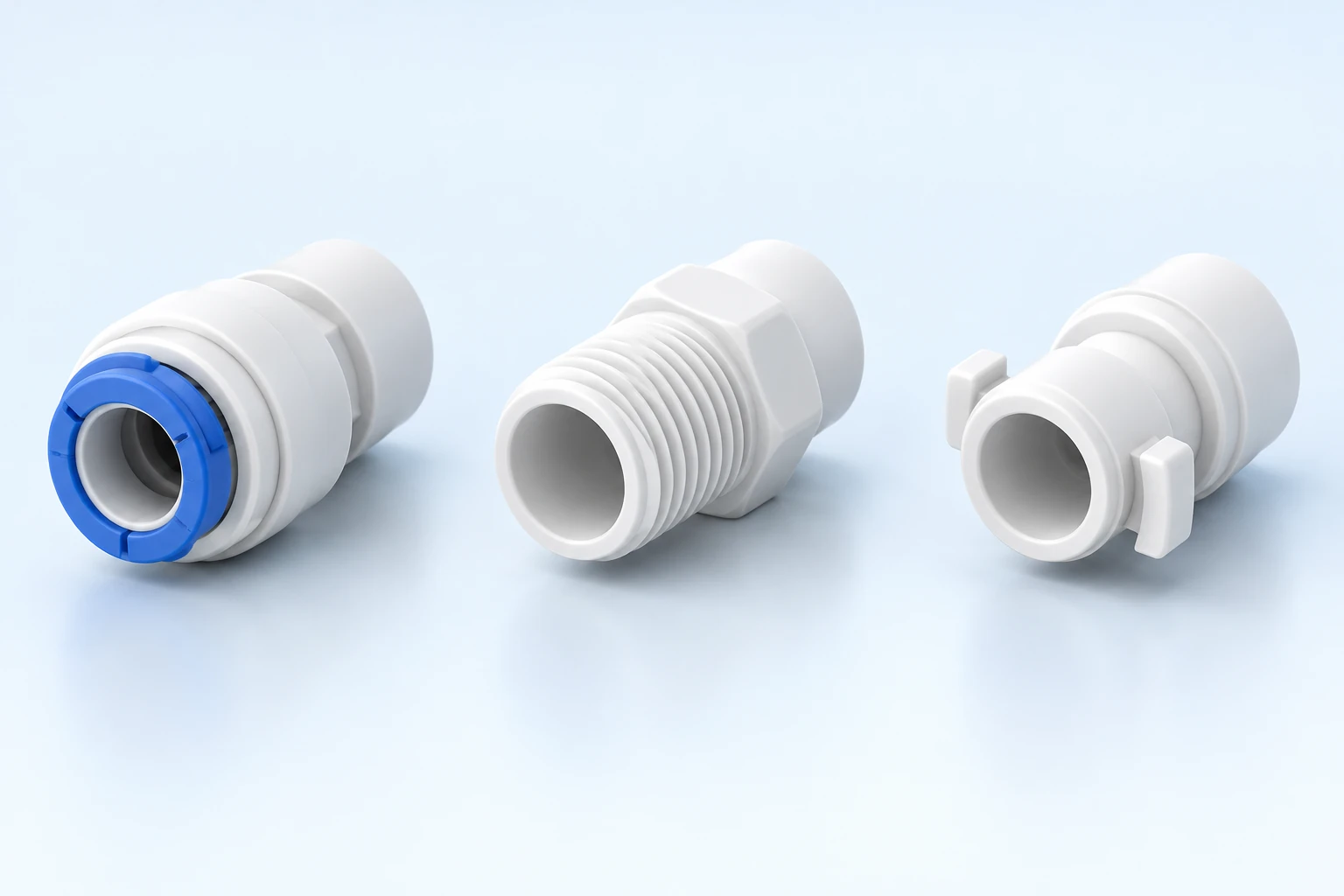
Dealers must balance open-source 1/4" quick-connect fittings, which lower installation labor costs and offer high burst pressure tolerances, against proprietary bayonet or twist-lock designs that lock clients into your specific replacement cycle, ensuring steady, exclusive recurring revenue.
Evaluating the Risk of Burst Pressures
For inline filters (such as post-carbon or re-mineralization cartridges), the connection style is critical for preventing water damage liabilities. Traditional threaded connections (1/4" NPT or BSPT) require Teflon tape and manual assembly.
If a technician over-tights the male fitting, they can split the female threads on the filter cap. If they under-tighten, it will slowly drip.
To mitigate this risk, many modern systems utilize integrated quick-connect fittings (push-in style). These fittings feature a built-in stainless steel collet with gripping teeth and a dual O-ring seal.
They provide excellent burst pressure tolerances (often exceeding 350 PSI[10]), which is far higher than the typical operating pressure of a residential RO system (60 to 80 PSI).
Choosing the Right Business Model
As a B2B dealer, your connection style is also a major strategic business decision:
- Select Connection Interface
- Open-Source Systems (1/4 inch Quick-Connect/NPT)
- Low Sourcing Barrier
- Risk of Price Competition
- Proprietary Systems (Bayonet/Twist-Lock)
- Lock-in Customers for Replacements
- Higher Initial Tooling Costs
- Open-Source Systems (1/4 inch Quick-Connect/NPT)
- Open-Source Systems (Universal housings or standard inline filters): These allow you to source from multiple suppliers, reducing purchasing costs. However, they also make it easy for your customers to buy cheap replacement filters from online retail platforms, cutting you out of the lucrative replacement cycle.
- Proprietary Systems (Bayonet, twist-lock, or custom manifold designs): These require custom plastic tooling and unique physical configurations. While the initial investment is higher, they protect your business from competitors. The end-customer must buy the replacement kit from your dealership, guaranteeing a steady stream of high-margin residual revenue.
At MuphoenixEco, we help B2B buyers navigate both paths. We provide complete technical guidance to customize end-caps and housing interfaces to match existing proprietary standards in your local market.
Frequently Asked Questions
What are the risks of using mismatched RO replacement filter kits?
Mismatched kits cause physical bypass leaks, allowing unfiltered sediment and chlorine to reach the RO membrane. This ruins the membrane within months, increases wastewater production, and can cause physical cracks in the housing, leading to property water damage.
How do you measure the quality of a carbon block in a replacement kit?
Carbon block quality is measured by its iodine value (minimum 800 mg/g for standard use[7], 1000+ mg/g for high chlorine), ash content (lower is better, ideally under 5%)[11], and pressure drop across the block under standard flow rates.
Why do filters clog faster in Southeast Asia compared to other regions?
Southeast Asian water sources often contain high levels of fine sediment, silt, and organic matter. Standard single-density sediment filters clog quickly on their surface. Gradient-density PP cartridges are required to distribute the dirt load throughout the filter body.
How does MuphoenixEco guarantee batch stability for custom kits?
We implement a 100% production-line-end testing standard for structural integrity. We also conduct random batch testing for micron efficiency, burst pressure tolerances, and O-ring compression sets before any shipment leaves our partner facilities in China.
Conclusion
When choosing RO replacement filter kits, B2B importers and dealers must look beyond low unit prices. Achieving long-term business success requires precise physical dimensional matching, regional media optimization, and robust protective packaging to prevent degradation in storage.
As an environmental technology and smart kitchen solution supplier, MuphoenixEco acts as your dedicated technical coordinator and quality control gatekeeper. We manage the complex supply chain in China's manufacturing hubs, ensuring every batch meets our strict engineering standards.
References
- [1]
- [2]
- [3]
- [4]
- [5]
- [6]
- [7]
- [8]
- [9]
- [10]
- [11]

Environmental technology and smart eco-appliance solutions.
Share your application, water conditions, and product requirements with our team.

