
Scale Buildup & Espresso Machine Maintenance
Hard water can cause scale inside espresso machine boilers and valves, reducing heating efficiency, increasing maintenance demand, and shortening equipment service life.
WATER PLANNING FOR CAFÉ OPERATIONS
Your café team needs a shared picture of daily service. We map water points, use patterns, available space and maintenance responsibilities into a usable project brief, then guide the category discussion.
We typically respond within 24 hours.

Customer problem
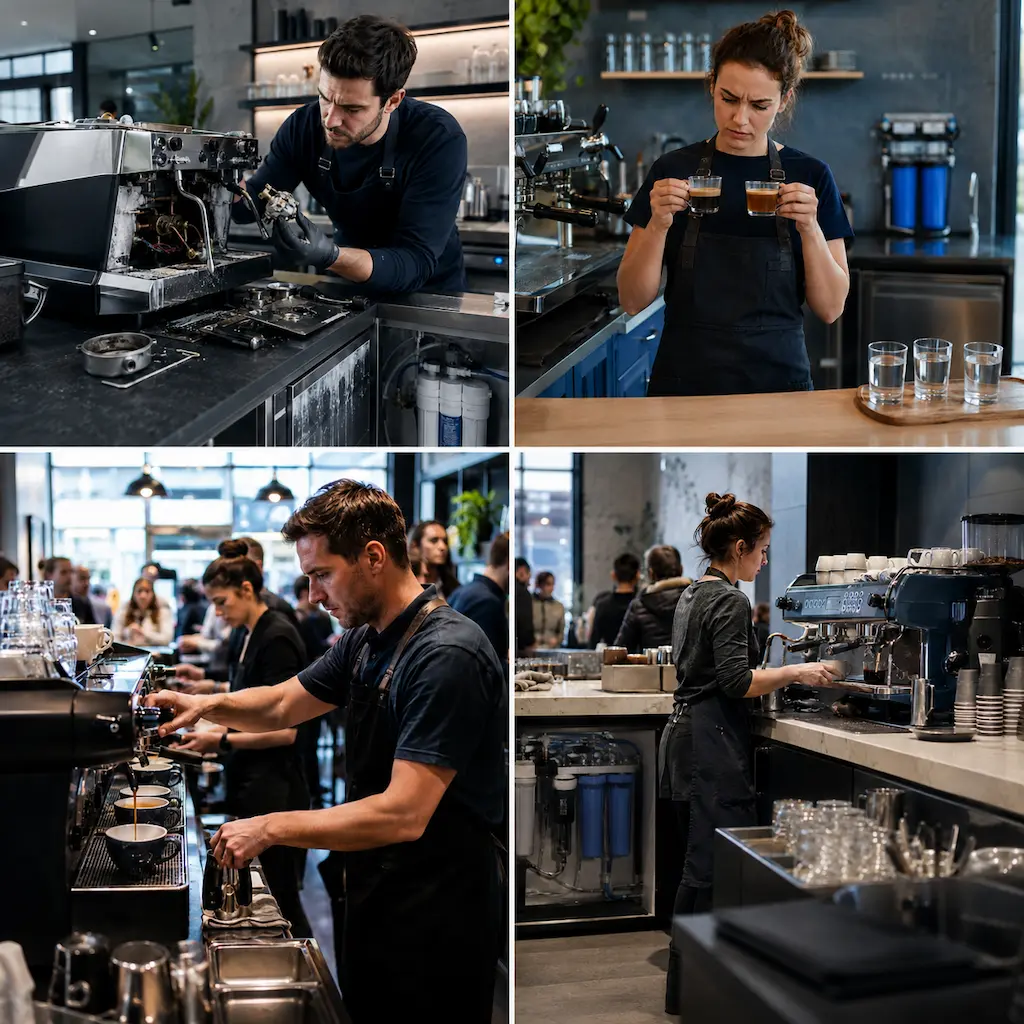
Your café may rely on water across the counter, preparation zone, guest-service area and maintenance routine. Each point has its own rhythm: what happens during a normal shift, what changes during a busier period and who notices the issue first.
Hard water can cause scale inside espresso machine boilers and valves, reducing heating efficiency, increasing maintenance demand, and shortening equipment service life.
Coffee extraction is highly sensitive to water mineral balance. Changes in hardness, alkalinity, or TDS can produce inconsistent flavor across stores and operating periods.
Residential-grade filters may struggle during morning and weekend peaks. Unstable pressure or insufficient flow can slow boiler refilling and interrupt beverage preparation.
Required information
Bring the facts your team has today: source or water information, operating pattern, points, space, quantity, maintenance ownership, delivery destination and project timing. Record open items so the next discussion can answer them.

Five-step path
The project path keeps the setting, working inputs, category roles, handover and next review in one connected sequence.
We map where water supports service and how the café operates across a normal day and a busier period. Your team gains a shared view of the points and routines that deserve attention.
We bring source information, use, points, space, quantity, maintenance ownership and timing into one project brief. This makes the next comparison easier to explain and easier to act on.
System capacity is matched to store volume and peak demand. Each configured unit follows MuphoenixEco's technical requirements and 100% end-of-line testing process before shipment.
We organize the category discussion with the people who own procurement, site questions, delivery information and later support. The brief becomes a working handover between the stages of the project.
We summarize the open questions, the inputs already available and the next conversation your team should have. This gives the project momentum without losing the context behind each decision.
Product categories
Each approved category is presented by its role in the café project conversation, before any model-level comparison.
 Defined point
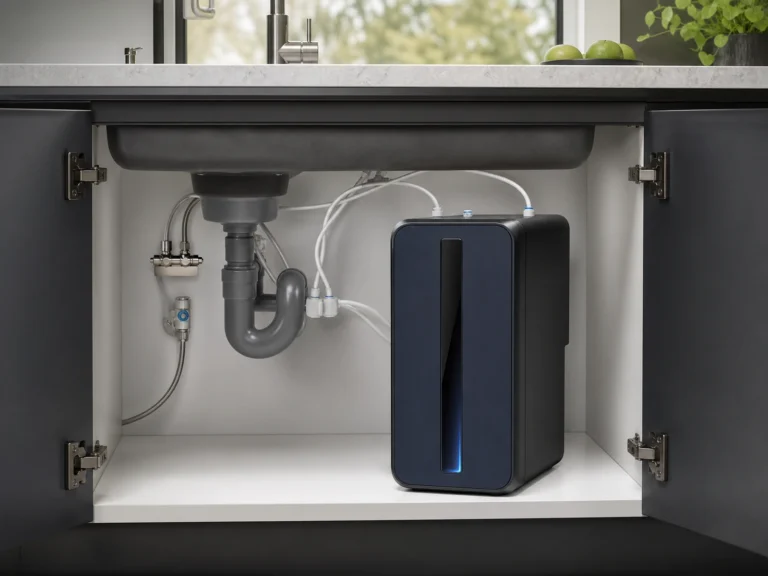
 Under Sink helps your team focus on a defined café point and the space around it. It is useful when the project brief needs a clear conversation about where the point sits and what information belongs with it.
 Water conditions
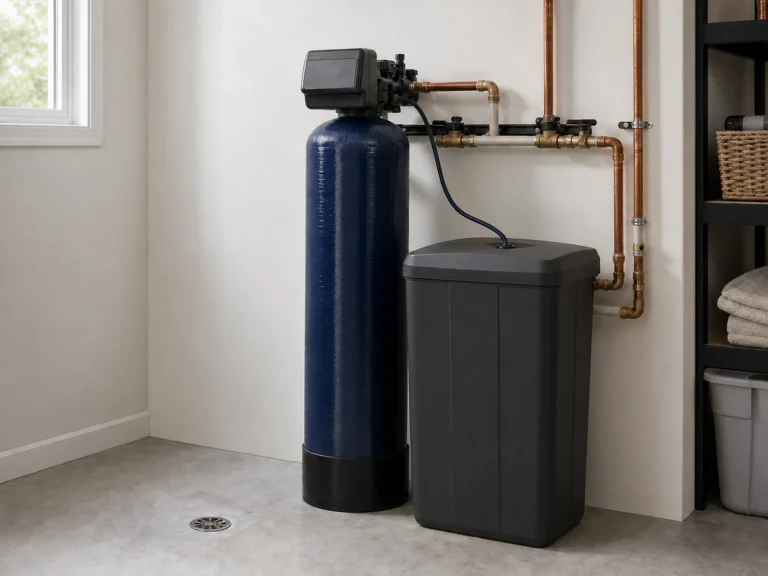
 Water Softeners brings the available water information and maintenance approach into the same review. It gives your team a category role for discussing the conditions that shape the routine.
 Operating pattern
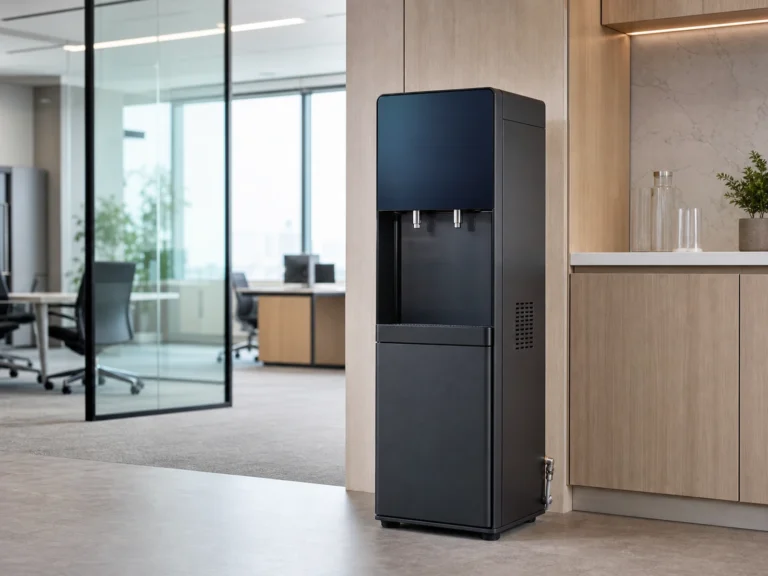
 Small Commercial helps your team compare the category path against the café’s operating pattern. It keeps daily service, busier moments and the project brief connected.
 Beverage service
 Coffee Machines keeps beverage-operation questions alongside the rest of the café project. Your team can identify the information that needs to travel with that part of the discussion.
Services and resources
The five Services keep ownership visible from the first project observations through delivery and later coordination.
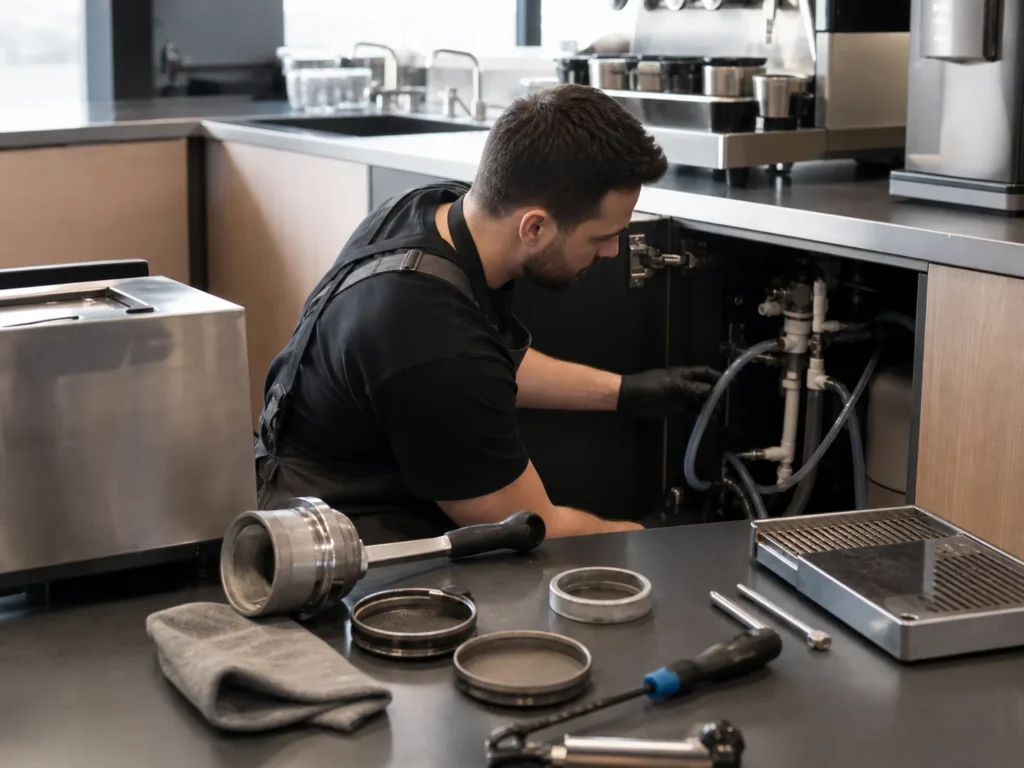
Visual note: Scene images on this page are AI-generated planning visualizations, not completed project photography.

Pre-Sales Project Consultation turns the first observations into a discussion-ready brief.
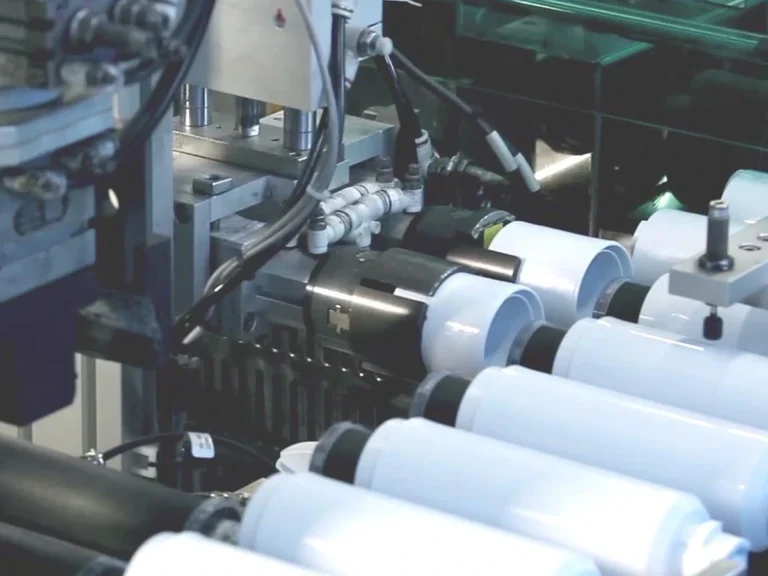
Product & Solution Development gives the category conversation a clear structure.

Quality Assurance keeps quality information, inspection communication and requirements alignment visible.
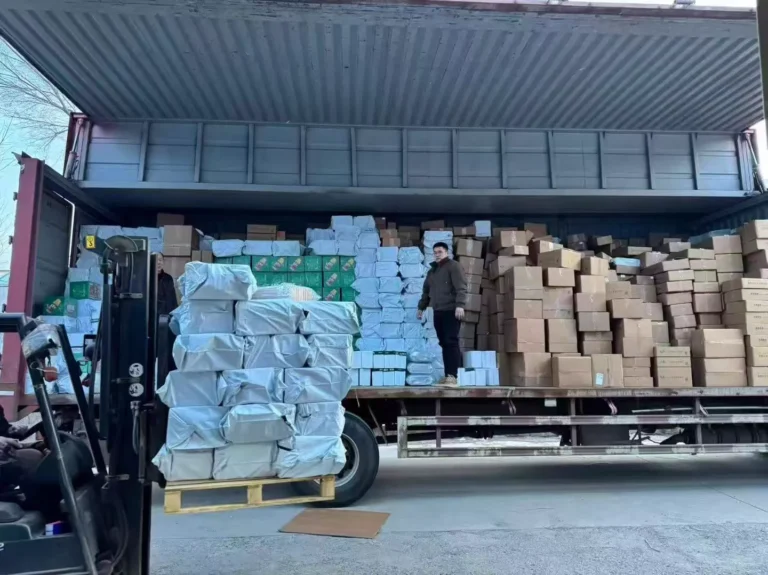
Supply Chain & Delivery Coordination brings quantity, destination and handover information into the project path.

After-Sales & Warranty Coordination gives your team a route for later materials, parts and follow-up questions.
Start with the points your café uses, available water or source information, normal and busy-period use, space, expected quantity, maintenance ownership and timing. These inputs help your team build a brief that gives the next review a clear purpose.
Each category has a role in the café solution path: defined points, water information, operating pattern and beverage-service questions. Your team can compare those roles against the setting you have mapped.
Yes. Share the information your team has and identify the open items. The first review can help determine which question, site detail or responsibility needs attention next.
The Service path connects the early brief to quantity, destination, handover and later coordination questions. Your team can keep the project context visible as more details become available.
They help your team recognize a café planning setting and support the page’s visual rhythm. The page-level visual note explains their role while product and project information remains in the content and category discussion.
Explore solutions
Compare application scenarios before preparing your project brief.
Solution Inquiry Form
Tell us where water is used, how the café operates, what your team needs to coordinate and which categories you want to explore. Your inquiry starts the next project review with a practical, shared picture.
Project details help us route your inquiry accurately.
Response within 24 hoursRequired fields: Full name; Company; Business email; Country / region; Scenario type; Project scale; Product categories.
Attachments: Optional PDF, JPG, or PNG reference files may be included.